
"coffee smuggling"
800 article(s) found

The spread of basic knowledge of Fine Coffee
1. Coffee was introduced into Europe in the 16th century, and coffee attracted the attention of European countries in the name of Arabic wine. In the middle of the 17th century, coffee became popular in Europe. 2. When coffee was introduced into Asia in 1600, Baba Budan, a Muslim, successfully smuggled seven seeds on his belly and planted them for trial in the mountains of Mysore in southern India without large-scale cultivation. sixteen

History of the spread of Coffee Coffee was introduced into China
1. Coffee was introduced into Europe in the 16th century, and coffee attracted the attention of European countries in the name of Arabic wine. In the middle of the 17th century, coffee became popular in Europe. 2. When coffee was introduced into Asia in 1600, Baba Budan, a Muslim, successfully smuggled seven seeds on his belly and planted them for trial in the mountains of Mysore in southern India without large-scale cultivation. sixteen

The spread of Coffee the basic knowledge of Coffee
1. Coffee was introduced into Europe in the 16th century, and coffee attracted the attention of European countries in the name of Arabic wine. In the middle of the 17th century, coffee became popular in Europe. 2. When coffee was introduced into Asia in 1600, Baba Budan, a Muslim, successfully smuggled seven seeds on his belly and planted them for trial in the mountains of Mysore in southern India without large-scale cultivation. sixteen

Introduction of Tanzanian boutique coffee characteristics of Tanzanian coffee quality of Tanzanian coffee
Due to political instability and rampant diseases and insect pests, the coffee industry in Tanzania has been damaged, leading to a decline in the overall level of coffee and instability in quality, which in turn lead to lower prices, which are usually the result of a further decline in the coffee industry. What's more, it is estimated that more than 12% of the Arabica coffee grown in northern Tanzania from 1969 to 1985 was smuggled.

The spread of coffee when coffee was introduced into China?
1. Coffee was introduced into Europe in the 16th century, and coffee attracted the attention of European countries in the name of Arabic wine. In the middle of the 17th century, coffee became popular in Europe. 2. When coffee was introduced into Asia in 1600, Baba Budan, a Muslim, successfully smuggled seven seeds on his belly and planted them for trial in the mountains of Mysore in southern India without large-scale cultivation. sixteen

Kawa Coffee Coffee Manor
C ô te d'Ivoire is one of the largest producers in the world in terms of quantity. C ô te d'Ivoire te dlvoire has never produced the best quality coffee, and it rarely comes from Arabian coffee trees. In the early 1980s, it was the world's third-largest coffee producer, with an annual output of 5 million bags. Even today, it is still the fifth largest coffee producer in the world, with an annual output of 440

The Development History of Coffee in the World Coffee spread History
1. Coffee was introduced into Europe in the 16th century, and coffee attracted the attention of European countries in the name of Arabic wine. In the middle of the 17th century, coffee became popular in Europe. 2. When coffee was introduced into Asia in 1600, Baba Budan, a Muslim, successfully smuggled seven seeds on his belly and planted them for trial in the mountains of Mysore in southern India without large-scale cultivation. sixteen

Cote d'Ivoire coffee beans African coffee producers
Professional barista exchanges, please pay attention to coffee workshop (Weixin Official Accounts cafe_style) Cote d'Ivoire is one of the largest producers in the world in terms of quantity. Cote d'Ivoire has never produced the best quality coffee, and it rarely comes from Arabica trees. In the early 1980s it was the third largest coffee producer in the world,

The coffee producing area of Tanzania
Due to political instability and rampant diseases and insect pests, the coffee industry in Tanzania has been damaged, leading to a decline in the overall level of coffee and instability in quality, which in turn lead to lower prices, which are usually the result of a further decline in the coffee industry. What's more, it is estimated that more than 12% of the Arabica coffee grown in northern Tanzania from 1969 to 1985 was smuggled.
Coffee beans Africa C ô te d'Ivoire
In terms of quantity, it is one of the largest producers in the world. C ô te d'Ivoire te dlvoire has never produced the best quality coffee, and it rarely comes from Arabian coffee trees. In the early 1980s, it was the world's third-largest coffee producer, with an annual output of 5 million bags. Even today, it is still the fifth largest coffee producer in the world, with an annual output of 4.4 million bags. That's it.
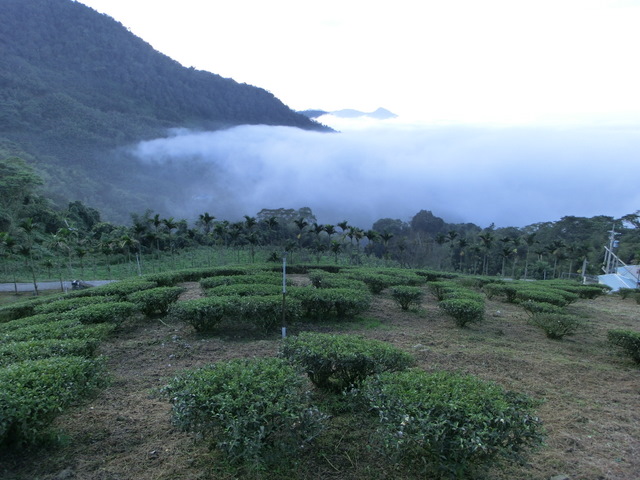
The characteristics of Arabica beans Ivorian coffee beans
C ô te d'Ivoire is one of the largest producers in the world in terms of quantity. C ô te d'Ivoire te dlvoire has never produced the best quality coffee, and it rarely comes from Arabian coffee trees. In the early 1980s, it was the world's third-largest coffee producer, with an annual output of 5 million bags. Even today, it is still the fifth largest coffee producer in the world, with an annual output of 440
Coffee from Tanzania
Due to political instability and rampant diseases and insect pests, the coffee industry in Tanzania has been damaged, leading to a decline in the overall level of coffee and instability in quality, which in turn lead to lower prices, which are usually the result of a further decline in the coffee industry. What's more, it is estimated that more than 12% of the Arabica coffee grown in northern Tanzania from 1969 to 1985 was smuggled.

How to make Brazilian Santos iced coffee? what kind of coffee is Brazilian Santos coffee beans suitable for?
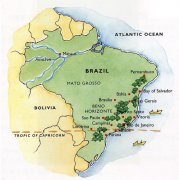
For more information on coffee beans, please follow the coffee workshop (Wechat official account cafe_style). Brazil Santos, located in South America, began to grow coffee in 1727. At that time, coffee seeds were smuggled by Francisco de Mello Palheta from the neighboring French colony (French Guiana) in northeastern Brazil. A. D. 1845

Ivorian coffee is one of the largest producers in the world.
In terms of quantity, it is one of the largest producers in the world. C ô te d'Ivoire te dlvoire has never produced the best quality coffee, and it rarely comes from Arabian coffee trees. In the early 1980s, it was the world's third-largest coffee producer, with an annual output of 5 million bags. Even today, it is still the fifth largest coffee producer in the world, with an annual output of 4.4 million bags. That's it.

Ivory Coast Coffee Coffee World Coffee Coffee cultivation
Boutique coffee has a rich and beautiful taste. Even if the coffee made of boutique coffee beans is not all fine coffee, it depends on whether it gives full play to the characteristics of coffee beans, whether it has a good taste, if not, it can not be called boutique coffee. In terms of quantity, it is one of the largest producers in the world. C ô te d'Ivoire (C ô te te dlvoire)

The Flavor characteristics of Tanzanian Coffee
Due to political instability and rampant diseases and insect pests, the coffee industry in Tanzania has been damaged, leading to a decline in the overall level of coffee and instability in quality, which in turn lead to lower prices, which are usually the result of a further decline in the coffee industry. What's more, it is estimated that more than 12% of the Arabica coffee grown in northern Tanzania from 1969 to 1985 was smuggled.
Start with coffee beans (28)-Africa-C ô te d'Ivoire
In terms of quantity, it is one of the largest producers in the world. C ô te d'Ivoire te dlvoire has never produced the best quality coffee, and it rarely comes from Arabian coffee trees. In the early 1980s, it was the world's third-largest coffee producer, with an annual output of 5 million bags. Even today, it is still the fifth largest coffee producer in the world, with an annual output of 4.4 million bags. That's it.
Coffee producing area Coffee introduction to C ô te d'Ivoire
In terms of quantity, it is one of the largest producers in the world. C ô te d'Ivoire te dlvoire has never produced the best quality coffee, and it rarely comes from Arabian coffee trees. In the early 1980s, it was the world's third-largest coffee producer, with an annual output of 5 million bags. Even today, it is still the fifth largest coffee producer in the world, with an annual output of 4.4 million bags. That's it.
Ivory Coast is gradually moving towards boutique coffee coffee beans.
Boutique coffee (specialty coffee) is also called specialty coffee selection coffee. It refers to coffee made from a small number of raw beans with excellent taste grown in an ideal geographical environment. Depending on the special soil and climatic conditions in which they grow, they have outstanding flavor. After strict selection and classification, this kind of coffee is hard in texture, rich in taste and stylish.

Global coffee producing area-Tanzania
Due to political instability and rampant diseases and insect pests, the coffee industry in Tanzania has been damaged, leading to a decline in the overall level of coffee and instability in quality, which in turn lead to lower prices, which are usually the result of a further decline in the coffee industry. What's more, it is estimated that more than 12% of the Arabica coffee grown in northern Tanzania from 1969 to 1985 was smuggled.